
Planning Early for Long-term Happiness
The Renovation You Do Before You Need To: Why planning for later life belongs in your design brief now.
One of my favourite projects that we’ve completed recently (photos still to come, I can’t wait to share them with you!) is a home that has been designed to actively support our client through his 80s and beyond.
You don’t need to be an octogenarian before you start thinking about how your home can support you long-term, and choosing to incorporate ageing in place elements certainly doesn’t mean you need to settle for a home that looks clinical and unwelcoming in the meantime.
So, when should I start thinking about this? The answer is … well before you feel any pressure to.
Even if retirement isn’t imminent, if you are looking at renovating or building a home, done thoughtfully, although possibly a little ahead of schedule, it could be an investment that provides a home and lifestyle you can enjoy for many years. It’s a conversation worth having while it still feels like it’s about possibility, not necessity.
An architectural project, like most good things, can take a while. By the time we work through design, permits and construction a project can easily span a couple of years. Planning proactively means you have the time to make considered decisions and will avoid the stress of having to respond re-actively to changes in circumstances.
When thinking about what you might need to put in place for your home, there are some fundamentals that address physical, day to day independence and quality of life. They can be carefully and inconspicuously incorporated into your design. If down the track you decide the house doesn’t suit your needs or lifestyle and you want to downsize or move, they will certainly not reduce the general appeal of your home, liveable house features can even be a selling point. You can read more about them here.
While these elements are really important, a great home isn’t just about purely functional needs. There is more to crafting a beautiful welcoming environment, and more to creating and supporting happiness in all stages of life. Long term thinking in your renovation is about having a home that supports entertaining, creativity, relaxation, family, friendships and connection to the community around you.
Here are a few things you might want to consider for your home project.
Designing space for the hobbies you haven’t had time for (yet)
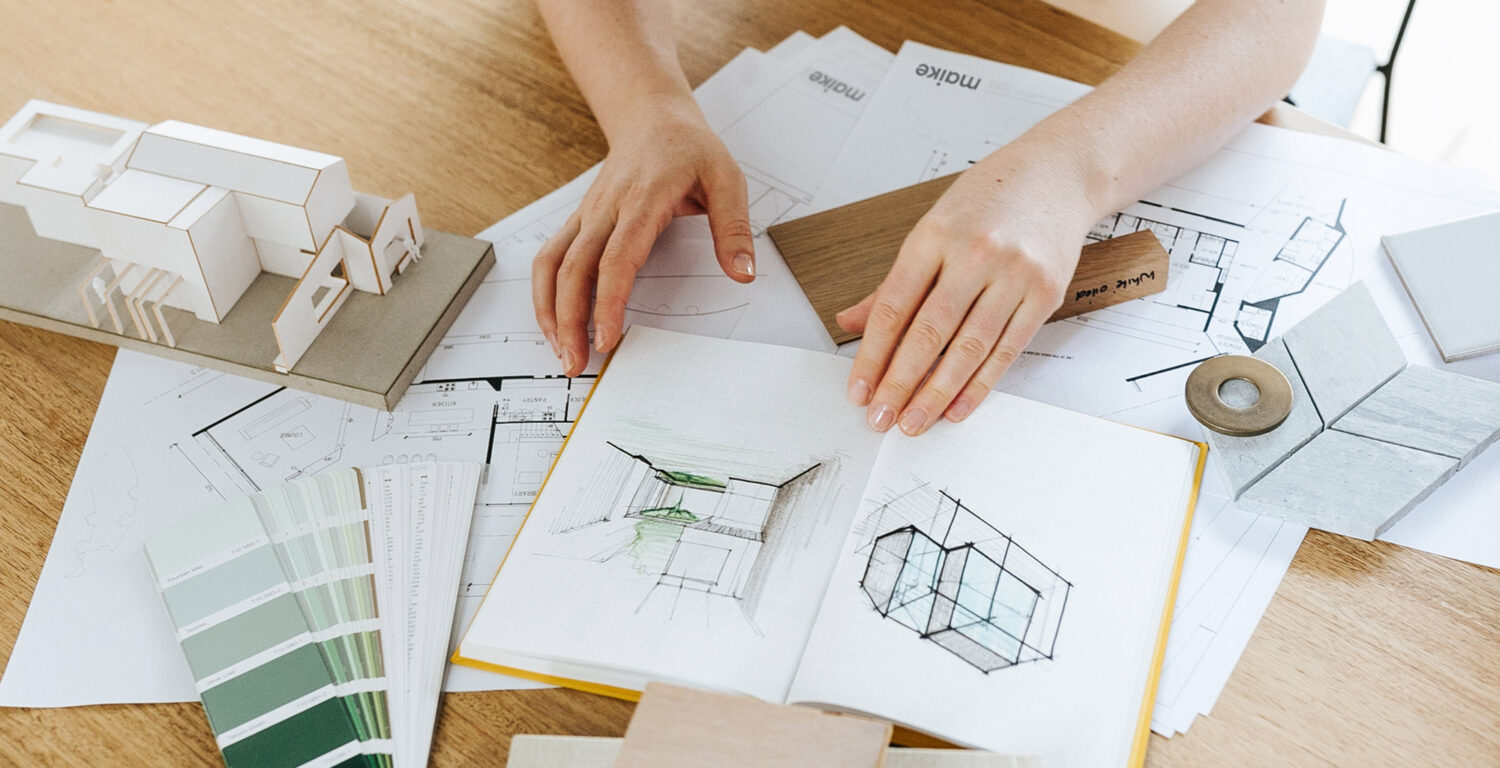
When your days free up what is going to fill them with enjoyment? At the time you are thinking about this renovation it may be hard to even imagine having time to pursue a project or hobby, but think about what you enjoy doing and wish you had more time for? These kernels of a future can be considered and provided for in an ergonomically and thoughtful way even before you have the time for them.
Space for family and friends
I’d like to gently push back on the idea that planning way ahead means designing a smaller, quieter version of your current life. Having a space to welcome family and friends into is always important no matter your age. Perhaps you want to be sure that adult children and their families can stay with you, you want to be able to host clubs and social groups, or you just want a lovely spot in the sun to sit with your neighbour to catch up. Think about how the spaces you need now can shift in the future between accommodating just you, and a full house. For example, open living and dining that spills outdoors, large sliding doors, or a bedroom wing that can close off for privacy when visitors arrive.
Staying connected to the garden and views
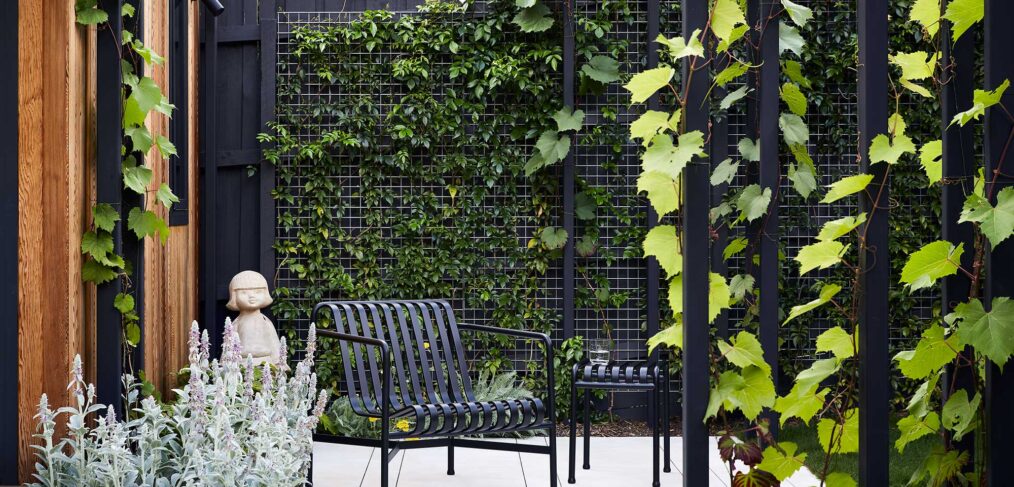
While privacy is important, our layouts make sure that the master bedroom can always remain connected to garden views and adjacent living spaces. If at any stage you find yourself with limited mobility, you should always be able to look out onto a beautiful view, access fresh air and feel connected to the world.
Maybe it isn’t just for you?
The points above have been focusing here on what you want to invest in, and the long-term ideas of your future. We have also worked with clients who are renovating not only for their own retirement, but also so they are able to have space suitable for their own parents to live with them if it was ever needed. You can read more about the advantages of multi-generational homes here.
If any of this has started you thinking, I’d love to help you turn it into a plan. Get in touch, and let’s talk about what your home could look like, not just now, but for years to come.